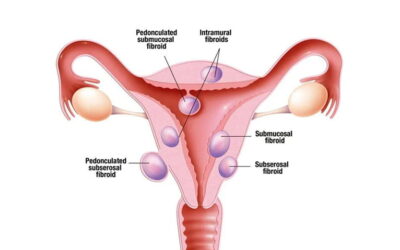
Endometriosis is a gynecological condition characterized by the abnormal presence of uterine mucosa in places in the body where it should not be.
For example: in the pelvic cavity (ovaries, behind the uterus, in the uterine ligaments, in the urinary bladder or in the intestine).
The biological meaning of endometriosis is trying to conceive at all costs.
There is no concept of a “first house” or it cannot be conceived in it (due to memories of abortions, for example).
Or, perhaps, because in my clan it is frowned upon to have children without having previously formed a family.
That is, without having a stable partner and being married.
“I want to get pregnant, but I cannot receive my son in this home, in this house where I live, because it is small, cold, it is not well located, I want it to be somewhere else”
“I am not like my mother, I will be a great mother and I want a good place for my son”
Depending on where the uterine mucosa travels:
Inside: Tells me that there were problems in my clan with children who died from homelessness.
Exterior: it tells me that I should look for another place.
In the ovary: if it moves to the ovary it tells me that I want very fast offspring, because there have been abortions and I want to take care of the eggs.
In the bladder: it warns me that there is not a good relationship between mother-in-law and son-in-law.
Despite the fact that the daughter wishes to have a child, to please her mother, she cannot conceive him at home, since her husband does not allow her entry and, therefore, the mucosa of the uterus moves towards the bladder, the organ that serves to mark the territory.
I really want to get pregnant, but I can’t put my son in the place he deserves. “I am not in my house”, “I am excluded from the house”
In the navel: it tells me that there is dirt that I must remove regarding the pregnancy, perhaps I could have suffered an attack on my integrity.
In the gut: it warns me that I have lived a pregnancy-related filth that I cannot eliminate, forgive.
Uterine adenomyosis: it tells me that I do not feel capable of carrying the pregnancy to a successful conclusion.
“I’m not ready to be a mother; I don’t have the resources to be one. I don’t have the perfect partner. I was abused”.
Regarding my genealogical tree, I must search among my ancestors, with what I have affinity, stories related to children who have lived without having a safe home or who have died outside the home.
Or, perhaps, because abortions have occurred due to lack of one safe home.
Endometriosis can also manifest itself in women who, although they want to have a child, cannot conceive it because they are unconsciously afraid of the consequences of childbirth (suffer greatly or die).
Or perhaps, because they think that the child may break the harmony of the couple, or because they are afraid of the insecurity of the world or the uncertainty regarding what awaits them.
Many of the women with endometriosis have had a tense, difficult, painful, and sometimes even violent emotional relationship with their own mother.
These are mothers who invade her daughter’s life, who lack affective capacity and who constantly reproach and offend her.
As a consequence of this complicated relationship, women tend to become physically hardened and develop a masculine attitude in life, such as the inclination to force things, want to direct everything, maintain power relationships, or become overloaded with activities.
In summary, it can be said that the woman who is affected by endometriosis lives with a permanent emotion of doubt.
She has doubts about whether or not she can be a mother, she also has doubts about whether it is the right time to get pregnant, whether the conditions of her house are ideal for her child to be happy, she doubts that everything will go well, whether her partner he will be a good father to his son, etc.
If you want to know more about the emotional origin of diseases or learn about the purpose of the soul, you can purchase my books by clicking on the Amazon link:
image:tucanaldesalud.es