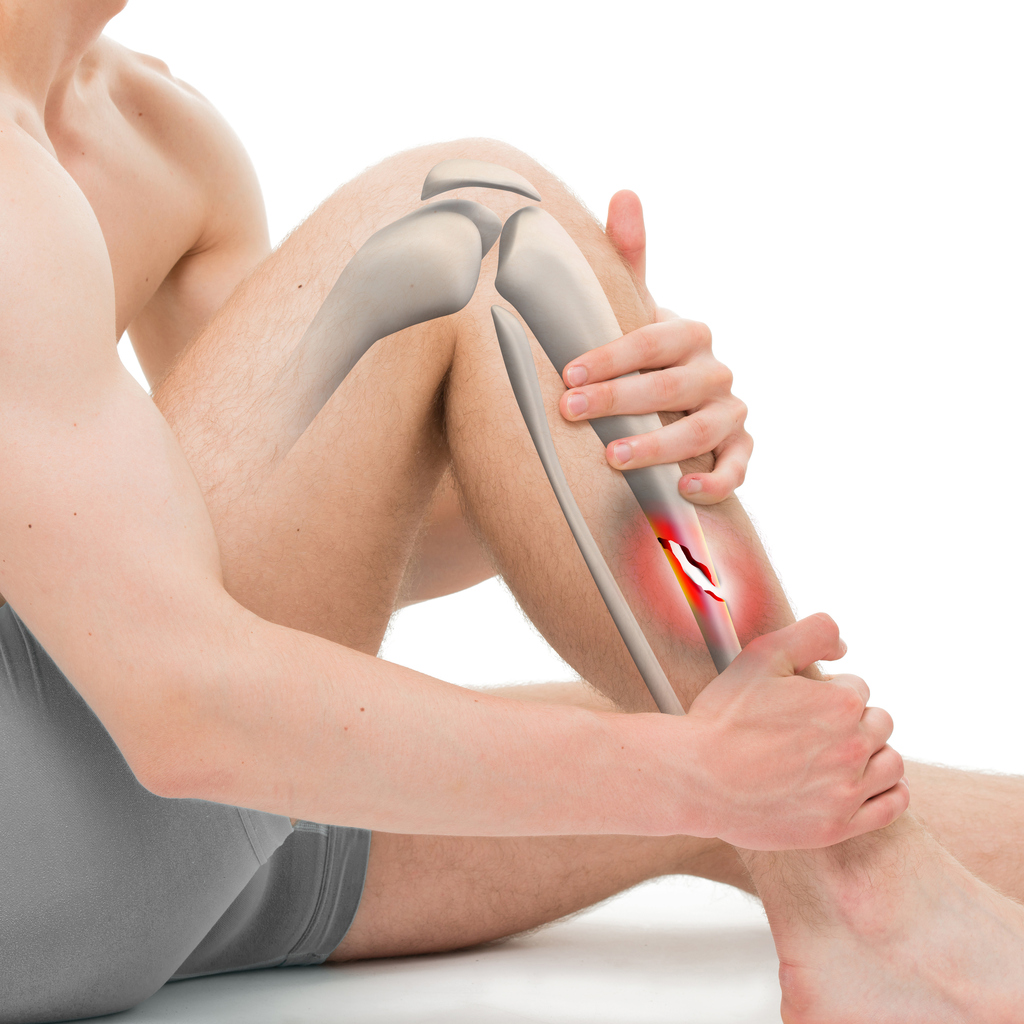
Problems or fractures in the fibula are primarily associated with feelings of worthlessness related to independence, growth, direction, and fear of moving forward in life.
It is connected to the paternal figure (real or symbolic).
The father symbolizes law, rules, direction, and the projection toward the future.
Since the fibula is the leg bone that allows us to pivot, change course, and maintain balance, discomfort here reflects a conflict with decisions imposed by an authority figure.
Central conflict: Feeling obligated to submit to the decisions of an authority figure (boss, father, partner) or, conversely, a deep desire to rebel against them but feeling that the battle cannot be won.
Feeling of worthlessness due to lack of support: Represents the fear of separating from the family unit or the economic/emotional difficulty in sustaining one’s own project.
“I feel I have to move forward alone, but I don’t have the structure or enough support.”
Instability in the direction to take: This expresses a deep doubt or regret about the direction one is taking in life.
It symbolizes the inability to “take the step” firmly due to fear of making the wrong choice.
The parts of the fibula and their emotional significance:
The legs represent our ability to move forward. A specific problem with the fibula can be summarized in the premise:
“I have to move forward or go in a certain direction, but I don’t want to.”
You feel forced to take a path you internally reject.
Head of the fibula (upper part): This relates to submission or having to mentally “kneel” before a situation or person against your will.
It symbolizes the beginning of movement and the difficulty in starting a new project or accepting a change of course.
Body or middle part: Linked to the daily journey, daily balance, and the weight of routine.
It reflects conflicts of devaluation in daily “doing”: feeling that the chosen path is not the right one or that the daily effort leads nowhere.
Lateral malleolus (lower area/ankle): This is directly linked to decision-making, the flexibility to change course, and inner security.
It symbolizes being stuck at a crossroads: not knowing where to direct your steps or the fear of making a wrong move.
To pinpoint the origin, it’s important to consider which side the discomfort is on:
If you are right-handed, a fracture of your right fibula serves biologically to stop you from a conflict of devaluation or submission with your father, authority figures, and horizontal relationships.
“I must stop submitting, competing, or trying to stand firm in this relationship with my equal/authority figure because it is destroying or devaluing me.”
Left side (in right-handed people): This relates to the protective role towards your mother, children, or your own role as protector of the family.
“I must stop the stress of trying to support and guide my children or please my mother, because this burden exceeds my strength and devalues me.”
If you are left-handed: The meanings of the sides are completely reversed.
Questions for introspection:
Which authority figure (father, boss, law) do I feel I must obey even if I don’t want to?
What decision or direction in my life am I taking out of obligation rather than personal desire?
In what area do I feel I’ve lost the support, protection, or sustenance of those around me?
What situation or change of direction am I resisting for fear of making a mistake?
(See legs)
If you want to know more about the emotional origin of diseases or learn about the purpose of the soul, you can purchase my books by clicking on the Amazon link:
Image: allproorthopedics.com