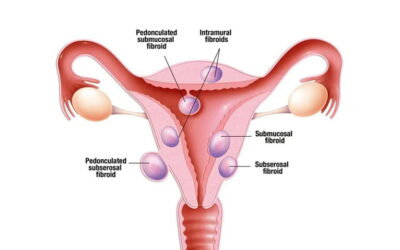
The fallopian tubes are the ducts through which the egg travels to the uterus.
Therefore, they represent the “path” or route to achieving a goal, uniting with a partner, or conceiving a child.
Consequently, any symptom affecting the fallopian tubes is related to the inability to achieve the encounter, conception, or the transport of the “fruit” (the child or an equivalent project).
The main emotional conflicts affecting the fallopian tubes:
Conflicts related to fertilization or reproduction: Difficulties conceiving that are interpreted as stemming from an unconscious fear of motherhood, the fear of not being a good mother, or transgenerational memories of difficult births.
Aesthetic and sexual devaluation and guilt: Feelings of devaluation regarding an active sex life, instilled taboos, or experiences perceived as “dirty” or sinful.
There may also be feelings of rejection toward one’s own body, insecurity about sexual attractiveness, or the perception that intimate encounters occur only out of obligation or pressure from a partner.
Loss of territorial control: Conflicts related to arguments with a partner or the inability to safely carry out one’s reproductive or family plans.
Conflict of “impossible choice”: Feeling torn between two paths (for example, choosing between a career or becoming a mother, or hesitating between two partners).
The fallopian tube, being a passageway, would reflect this “paralysis” or indecision on life’s path.
Resistance to the loss of autonomy: The unconscious fear that a pregnancy or a relationship dynamic will completely “absorb” the woman’s identity, symbolically closing the channels to protect her personal space.
Blocked or obstructed fallopian tubes: These reflect an “I can’t get through” or an unconscious fear of taking the next step in a relationship, a life project, or the idea of having a child.
Ectopic pregnancy (when the egg implants in the fallopian tube): This represents the intense desire to create life or move forward, but in a place or situation that the mind perceives as unsafe or blocked.
It can also be interpreted as a conflict of direction: the conscious desire to have a child clashes with a deep unconscious fear of moving towards motherhood or losing freedom. “This nest is too dirty/dangerous to conceive”:
A deep feeling of disgust or vulnerability regarding the partner, the house, or the environment where the child is planned.
Transgenerational conflicts (inherited memories): We must look in the family tree for stories of women who died in childbirth, babies who died prematurely, or traumatic abortions in past generations.
The “blockage” of the fallopian tube is symbolically interpreted as an inherited protective mechanism:
“Having children is dangerous, therefore, I close the door.” “If I get pregnant, my life is in danger.” It is also necessary to examine whether there were conflicts of rape or incest in the family.
Salpingitis: This is an inflammation or infection of the fallopian tubes:
“I have been stained or my sexual reputation has been damaged”: This is associated with the conflict of stain, guilt, and suspicion.
The person feels they have experienced a sexual or romantic situation that they perceive as “dirty,” dishonorable, or degrading.
“I feel guilty about my desire or my sexual behavior”: Conflicts arising from having broken moral or religious taboos, experiencing an unconscious internal punishment that “somatizes” as a purulent infection.
“The nest has been desecrated”: The feeling that the couple’s intimate space has been invaded by betrayal or infidelity, generating a profound biological disgust.
Similarly, it speaks of feelings of guilt and anger for having ended a relationship with a man with whom they were unhappy, but whose union was based on family conditioning.
If you want to know more about the emotional origin of diseases or learn about the purpose of the soul, you can purchase my books by clicking on the Amazon link: