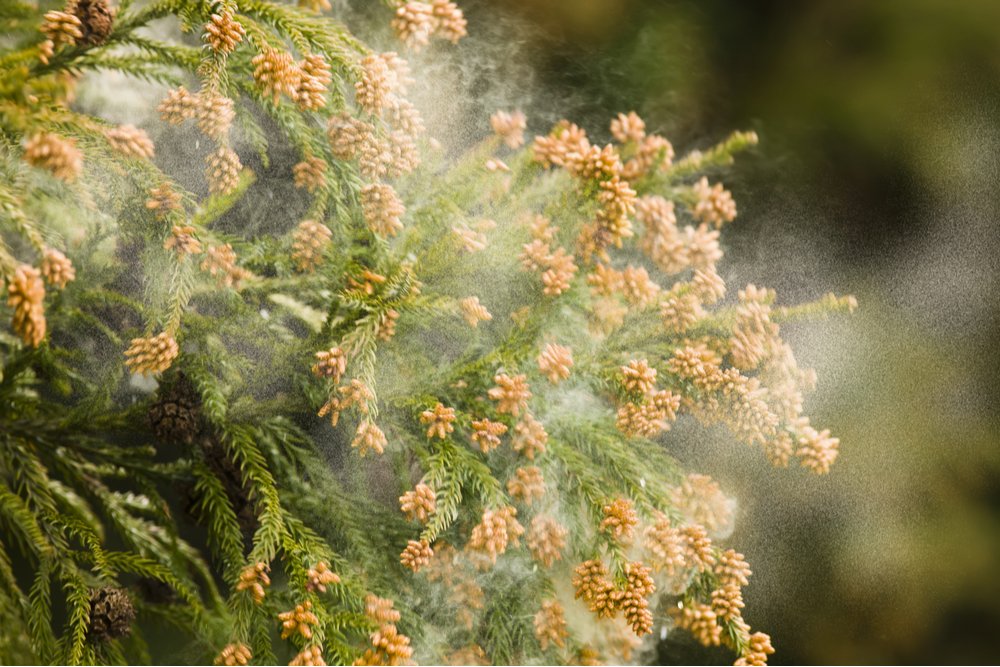
The biological purpose of a pollen allergy is to separate or protect you from an imminent danger associated with a painful memory.
The body identifies pollen as a “threat” because it was present during an emotional shock (known as a “bioshock”) in your past.
When we experience a shocking, unexpected event that we cannot fully express, our brain records everything around us at that moment—smells, sounds, landscape elements—as if taking a photograph.
If pollen was in the air during that moment of stress, your unconscious mind registers it as the “culprit” or the “witness” to the danger.
Consequently, whenever spring arrives and you come into contact with pollen again, your brain triggers alarm signals (sneezing, tearing, mucus production).
Each physical symptom expresses a specific underlying feeling when the pollen reappears:
Sneezing: “I must immediately expel this intruder from my territory.”
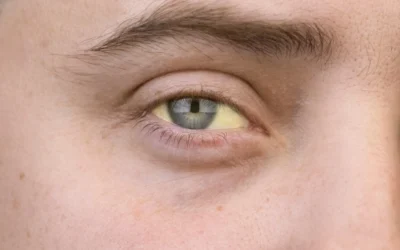
Watery eyes/tearing: “I do not want to see what is happening” or “I am mourning the loss of what I saw disappear.”
Mucus/congestion: “I am closing the doors to keep the danger out” or “I want to smell the danger coming from afar (distrust).”
The symbolism of pollen:
Pollen is the male fertilizing element of plants. By biological analogy, the unconscious mind links it to:
Sexuality and reproduction: Conflicts related to negative sexual experiences, abuse, taboos, fear of pregnancy, or a rejection of sexual maturation.
Relationships and love: Breakups, infidelity, or painful separations that occurred during spring or in open spaces (parks, fields).
Family conflicts (in children): If the allergy appears at an early age, it is often interpreted as a reflection of arguments or severe tensions regarding parental separation that took place outdoors.
The emotional conflicts behind pollen:
Pollen allergies are often linked to two main types of unconscious conflicts:
Separation conflict: This is the most common. The trauma is usually related to a romantic breakup, a painful farewell, or the loss of a loved one that occurred in the middle of spring or in a natural setting.
The pollen became associated with the pain of that separation. “I was torn from their arms,” ”They left forever,” “I desire contact, but it hurts”: Wanting to be close to someone (or a place) but associating that closeness with suffering.
Conflict involving mistrust or betrayal (love vs. danger)
Pollen is the reproductive element of plants; therefore, it is unconsciously closely linked to sexuality, romantic encounters, and fertility.
“What was once beautiful and sweet now causes me pain”: Having experienced infidelity, heartbreak, or a violent argument with a partner during an idyllic moment (a picnic, a date in the park, a sunny day, or the spring months).
“Sexuality/love is dangerous”: Unconsciously associating relationships or reproduction with a traumatic or forbidden experience.
Questions for introspection:
What painful situation, separation, or romantic breakup did I experience during the spring?
What unconscious memories or fears do I associate with sexuality or conception?
Did a shocking event occur in a garden, field, or natural setting just before the first symptoms appeared?
If you want to know more about the emotional origin of diseases or learn about the purpose of the soul, you can purchase my books by clicking on the Amazon link:
Image: atlantaallergydoctor.com