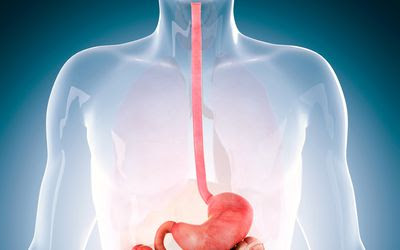
Symbolically, the esophagus represents the entry channel and the bridge between the outside world and our inner selves.
Its biological function is to transport food; therefore, on an emotional level, esophageal issues are primarily linked to difficulties in swallowing, digesting, accepting, or rejecting life situations, people, or experiences.
Emotional conflicts associated with the esophagus:
First, the inability to swallow something (rejection): This symbolizes a situation, person, piece of news, or imposition that the individual deems unacceptable, toxic, or unfair, and which they refuse to let into their life.
The esophagus can also be affected by a rejection conflict stemming from being forced to swallow something (submission): This occurs when a person feels compelled—whether by obligation or fear of consequences—to accept, tolerate, or “swallow” words, humiliations, or circumstances against their will.
Likewise, it can be affected by a conflict involving the “fear of being unable to catch or retain the mouthful”:
While the most common conflict is one of rejection (“I am being forced to swallow something I don’t want”), there is an opposite polarity: an extreme fear of losing something you consider yours or vital.
You feel that an opportunity, a job, a partner, or a benefit was all but secured (symbolized by the mouthful being inside the body, within the esophagus), yet a sudden fear arises that it might be taken away before it reaches the stomach (where it would be considered truly “yours” and digested).
Furthermore, the esophagus can be affected by a “toxic or poisoned morsel”:
This occurs when you accept a situation knowing full well it will harm you, yet feel compelled to do so for the sake of survival (financial, familial, etc.). You feel as though you have introduced “poison” into your life (such as degrading treatment or an unfair agreement), and your esophagus reacts by attempting to regurgitate or destroy it with excess acid. “I’ve had to swallow this, but I know it’s going to destroy me from the inside.”
Finally, another conflict associated with the esophagus is suppressed rage or aggression: This happens when a person feels forced to remain silent in the face of an offense, humiliation, or betrayal—often involving an authority figure—out of fear of causing conflict, feeling they must “swallow their anger.”
There is a sense of powerlessness regarding the inability to defend oneself or the need to act against one’s own will. “I have to swallow my own words.”
Differences based on the affected area:
Upper two-thirds of the esophagus: Linked to the direct conflict of accepting or rejecting a mouthful or experience coming from the outside.
Related to the initial phase: the immediate difficulty in accepting or rejecting an experience or words. “I don’t even want to look at this; I refuse to let it enter me.”
Lower third: Related to the emotional digestion of something that has already been “swallowed” but causes deep fear, rejection, or difficulty in integration. “It’s already inside; it’s stuck here, and I don’t know how to move forward or how to get it out.”
Gastroesophageal reflux: Rejection of a situation that was left unfinished. It symbolizes suppressed anger and an internal cry of dissent.
It is also linked to emotional deprivation (the valve opens unconsciously, seeking to receive more “emotional nourishment” or love). “I swallowed it, but my body rejects it and wants to bring it back up (reflux).”
Conflicts related to the “Projected Meaning” (gestational intent) and transgenerational or family tree issues:
If, during pregnancy, your mother experienced oppression, abuse, extreme financial hardship, or humiliation—and was forced to remain silent and “swallow” her rage to protect you or keep the family together—you may manifest symptoms in the esophagus. Your biology physically expresses what she could not emotionally digest.
If, just before conception or during gestation, your parents lost something vital (a business, a home, an inheritance, or a relative’s support) and felt the deep frustration of “having the morsel in their mouth only to have it snatched away,” you might be born with the biological memory that “catching and swallowing the morsel” is difficult, dangerous, or frustrating.
Sometimes, esophageal symptoms do not stem from your current life but from a family memory of extreme scarcity or famine.
If an ancestor died of starvation, went days without food, or lost their land (their livelihood), the family unconscious may transmit a visceral fear of “being unable to hold onto the mouthful.”
The individual then lives with constant esophageal stress in the face of even the slightest financial or professional loss.
If you want to know more about the emotional origin of diseases or learn about the purpose of the soul, you can purchase my books by clicking on the Amazon link:
Image:verywellhealth.com