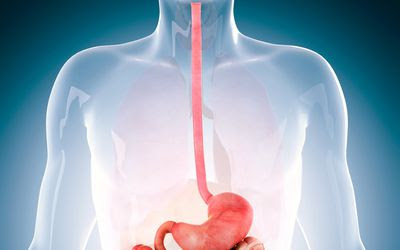
Gallbladder issues are directly linked to emotional conflicts involving pent-up anger, resentment, and bitterness regarding situations that an individual perceives as unfair or difficult to “digest.”
Ailments affecting this organ reflect a difficulty in expressing discontent or indignation, with the person choosing instead to contain or repress these feelings internally.
There is a subconscious belief that voicing disagreement will make one appear to be a “bad person” or lead to rejection.
The biological function of the gallbladder is to store and concentrate bile, which aids in the digestion of fats; on an emotional level, it symbolizes the “digestion” of daily setbacks—particularly those occurring within one’s own “territory” (such as one’s family, workplace, or romantic relationship).
Emotional conflicts associated with the gallbladder include:
First, pent-up rage and anger: This is the most common emotional trigger—harboring accumulated rage due to an affront or a situation perceived as unjust, especially within the family or professional sphere.
The individual experiences a situation with intense inner tension but chooses to remain silent—whether out of politeness, fear, or submissiveness—effectively “swallowing” the poison. “I feel a tremendous amount of rage; my blood is boiling inside, but I have no right to explode or speak my mind. I just have to swallow it.”
Territorial conflicts (incursions or loss): Feeling that someone—such as a family member, a boss, or a colleague—is interfering in your affairs, making decisions on your behalf, or encroaching upon your physical or emotional space.
Experiencing disputes or rivalries within one’s “territory” (the home or the workplace) where one feels a loss of control, respect, or standing relative to others. This may also involve feeling compelled to submit to the will of others, or enduring chronic social stress within a group—the sense of being “trampled upon” within one’s own space.
The gallbladder is frequently affected by a conflict related to a lack of identity:
It is triggered when a person feels they do not know their place within a group or family.
This is accompanied by the sense that one has no right to express oneself, offer an opinion, or set boundaries—leading to a silent frustration (“I must keep quiet to avoid causing trouble”).
Difficulty “digesting” reality: This arises from experiencing betrayal, deception, a painful event, or a drastic change (such as a divorce, a loss, or an argument) involving someone who was fully trusted.
The impact goes beyond mere anger; it creates a sense of helplessness—feeling trapped, unable to defend oneself, or lacking the tools to resolve the situation. “What is being done to me is a complete injustice.
It is despicable; it embitters my life, and I simply cannot digest it.”
A conflict of forced silence—having no right to respond: The individual feels completely invalidated due to a power hierarchy.
For example, this might occur when working under an authoritarian boss or living with a narcissistic partner, where any attempt at dialogue turns into an argument that the person always loses.
“Nothing I say matters. My arguments carry no weight in this household—or this company. I have been completely stripped of any standing or agency.”
A conflict involving a bitter family secret (transgenerational):
Sometimes, the emotion does not stem from the individual’s own direct experience, but rather from a memory inherited through the family tree. “I carry the burden of a betrayal, an act of infidelity, or a family disgrace that no one dares to speak of—yet it embitters the lives of us all.”
This may involve grandparents or parents who endured financial ruin, bankruptcy, or serious deception within the family, and who kept their pain hidden out of shame—thereby passing on this unconscious “bile” to subsequent generations.
If you want to know more about the emotional origin of diseases or learn about the purpose of the soul, you can purchase my books by clicking on the Amazon link:
Image:livesciencie.com