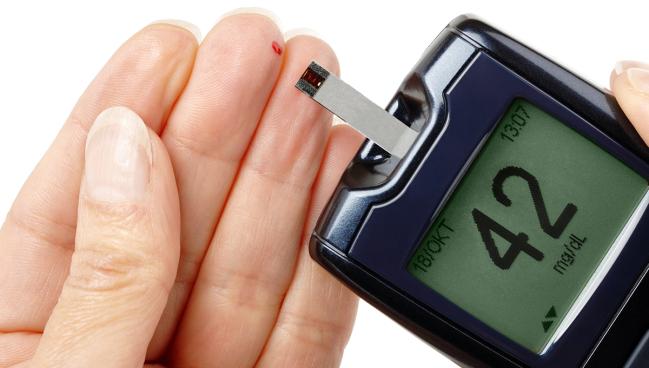
Hypoglycemia (low blood sugar levels) is closely linked to a combination of fear and disgust, repulsion, or resistance toward a situation or person in one’s environment—someone or something perceived as a direct, intrusive, or imposing threat.
A drop in blood sugar is a strategy employed by the unconscious mind to drain the body of “strength” or “fuel”—essentially “playing dead”—in order to paralyze an action one does not wish to take.
When it is impossible to flee or fight back, the unconscious chooses to “remove the energy” (by triggering a drop in blood sugar) so that the aggressor or the situation might cease their pressure.
Emotional conflicts associated with hypoglycemia:
First, a conflict involving fear combined with revulsion and disgust:
This is the most common cause of hypoglycemia.
The individual experiences a situation that triggers a deep, visceral rejection—for instance, having witnessed or lived through something perceived as “dirty,” “degrading,” or morally repugnant (such as abuse, injustice, or a toxic work or family environment) from which there is no escape.
It is the feeling of: “I have to swallow this situation—or endure this person—even though it makes my stomach turn,” or “I absolutely refuse to accept what is being forced upon me, yet I lack the strength to fight back.”
Second, a conflict involving an acute lack of affection:
Symbolically, sugar represents love, affection, tenderness, joy, and the sweetness of life.
This manifests as a persistent sense that “sweetness”—or love itself—is missing from one’s life, or a belief that one is undeserving of receiving affection and pleasure.
It involves desperately seeking or waiting for love and approval from the outside world to fill an internal void, while living with the constant, underlying feeling that life is harsh, bitter, and devoid of affection. It is the belief that: “Love is dangerous or unattainable for me.”
Another conflict that can manifest as hypoglycemia is a sense of being unsupported or abandoned:
Feeling alone, left to fend for oneself, or burdened with the obligation to nurture and “sweeten” the lives of others while ending up empty oneself.
The individual perceives life as a heavy burden and feels they must manage entirely on their own, receiving nothing in return for the effort they pour into others.
Hypoglycemia can also develop from a conflict involving submission or imposition:
The individual feels that life, their family, or their work is forcing them down a path, into a set of rules, or into a relationship that they find repulsive or unpleasant.
Unable to find a way to escape or change the situation, they fall into deep distress regarding the future and feel trapped in a role of dependency. “I would rather faint, lose my strength, or disappear than face this conflict.” “A direction I do not wish to take is being imposed upon me, and I feel trapped.”
“Project Sense” (from conception to age 3):
During the early months of pregnancy, the mother may have experienced repulsion, disgust, or rejection toward an imposed situation (such as problems with her partner, financial difficulties, or the pregnancy itself being perceived as a heavy burden).
The unconscious mind registers the following command: “You must lower yourself, tolerate what is imposed upon you, and sweeten the lives of those around you—before attending to your own.”
The child learns that they have no right to think of themselves.
Transgenerational (the family tree):
Within the family tree, hypoglycemia functions as an unconscious biological solution to family dramas left unresolved by one’s ancestors.
This may involve memories of abuse or violation—for instance, ancestors who endured “repulsive” situations, violent impositions, or abuses of power, where they were unable to defend themselves and their only recourse was to endure in silence.
If the family history includes the tragic loss of children, or instances where expressing affection led to suffering, the family’s collective unconscious may program an inherent rejection of—or distrust toward—”sweetness” (love), as a defense mechanism to avoid further pain.
If you want to know more about the emotional origin of diseases or learn about the purpose of the soul, you can purchase my books by clicking on the Amazon link:
Image: tctmd.com